Walk into any commercial poultry or fish farm in East Africa and ask about their biggest cost. The answer is almost always the same: feed. Soybean meal and fishmeal — the two dominant protein sources — are imported, expensive and increasingly unsustainable.
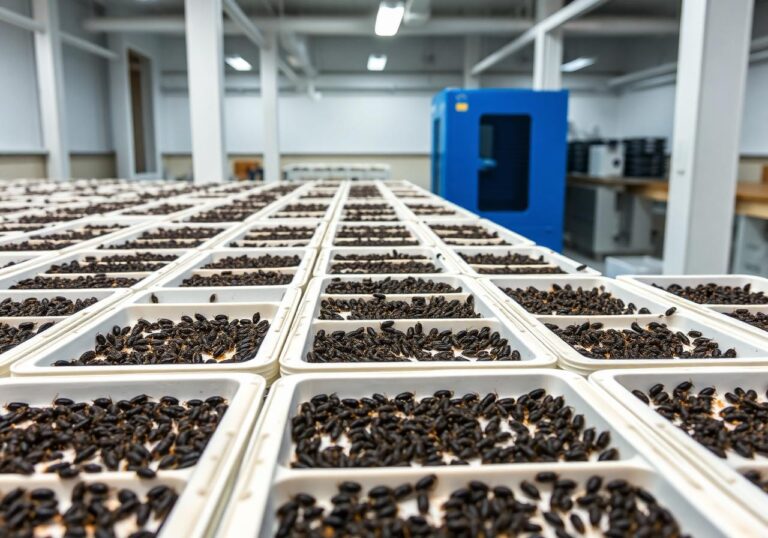
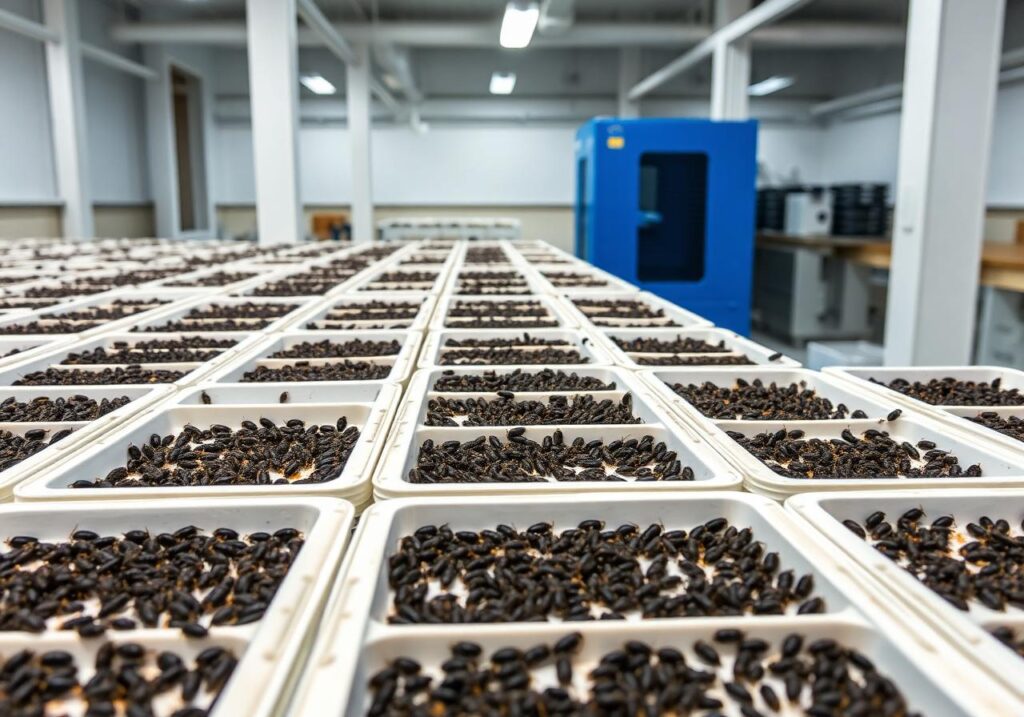
Enter the insects. Black soldier fly larvae, in particular, can be reared on organic waste — fruit peels, brewery by-products, market spoilage — and harvested in as little as two weeks. The dried larvae contain 40–60% crude protein, a fatty-acid profile favourable for poultry and aquaculture.
AISPAR’s field work with pilot insect farms in Kenya shows that small and medium-scale producers can break even within 12–18 months when they secure stable waste streams and offtake agreements with feed millers.
Our recommendation to policymakers is simple. Harmonise insect-feed standards across the East African Community, fast-track GMP certification for serious producers, and integrate insect rearing into county climate-smart agriculture plans.